Snakes of Tuma to Spot
Three snakes to watch out for when hunting at Tuma
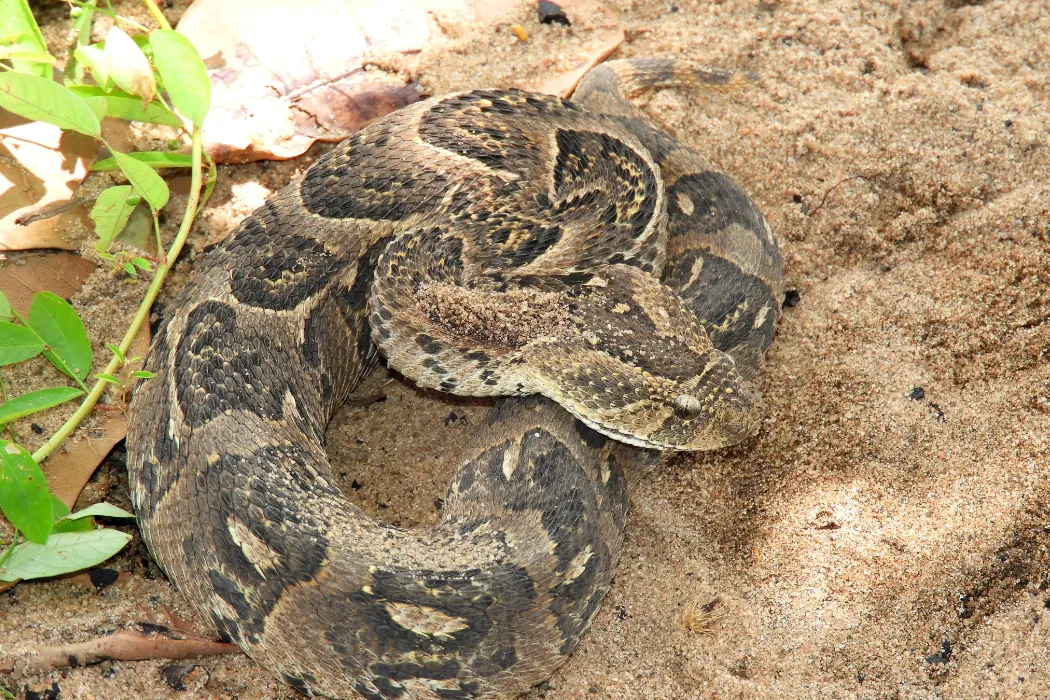
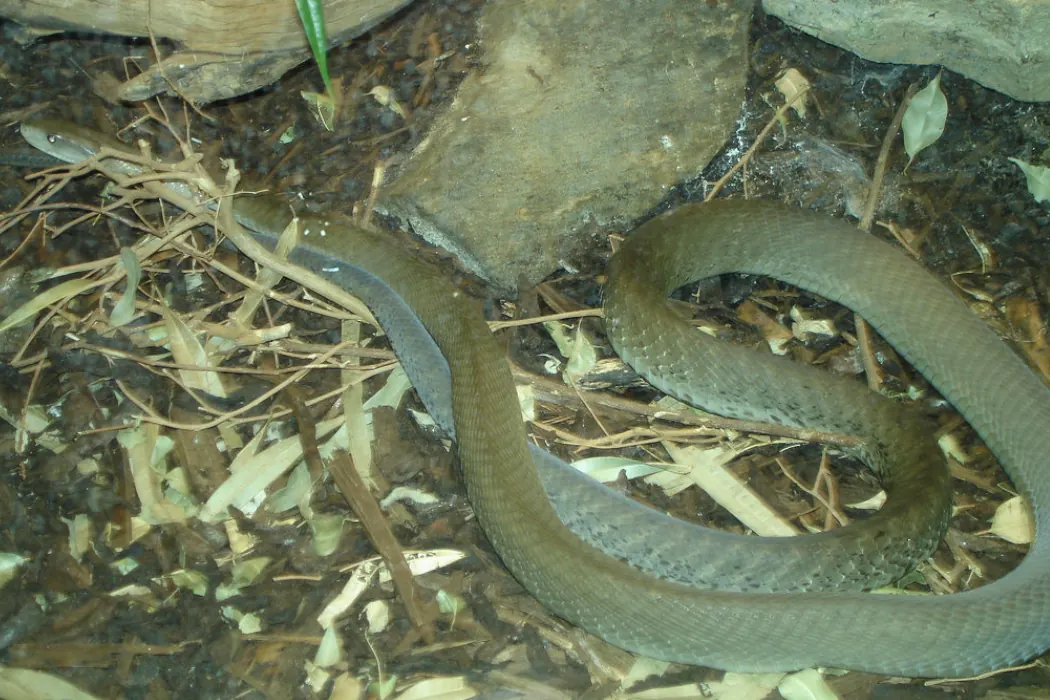
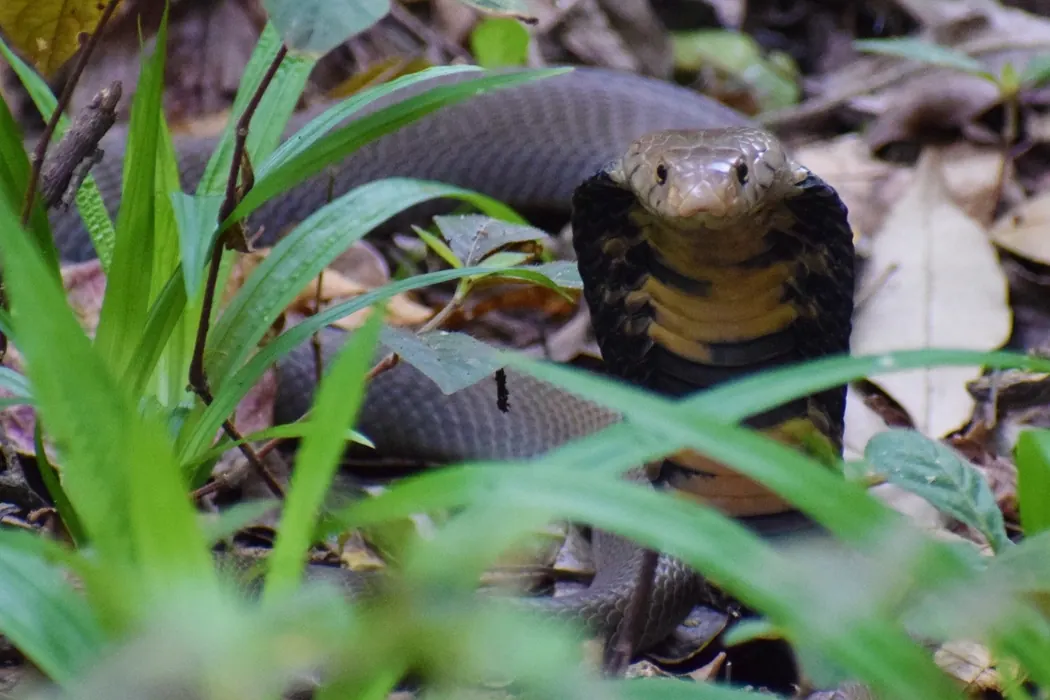
The Puff Adder, Black Mamba, and Spitting Cobra are efficient predators with specialized hunting strategies and dangerous venom, but they do not see humans as prey. Furthermore, they are elusive. None of these snakes will attack humans unless they feel threatened or provoked. However, should they attack it can be deadly.
Striking is always the last resort for these snakes. Should you encounter one of them, be quick to remove the threat.
A Summary of Defensive responses
The Puff Adder relies on camouflage. When threatened the following defense responses will follow:
- Camouflage and Immobility: The puff adder often relies on its excellent camouflage and remains still to avoid detection.
- Hissing and Inflating: If further provoked, it may hiss loudly and inflate its body to appear larger and more intimidating.
- Striking: As a last resort, it will deliver a rapid and venomous bite.
Venom Info: Puff adder venom is highly cytotoxic, leading to intense pain, swelling, blistering, and often significant tissue damage. However, it does not always necessitate immediate antivenom treatment.
The Black Mamba relies on its speed. When threatened the following defense responses will follow:
- Flight: The black mamba will often try to escape and flee from a threat due to its incredible speed.
- Threat Display: If escape is not possible, it will raise a significant portion of its body off the ground, and open its mouth to display its black interior and hiss.
- Striking: If the threat persists, the black mamba will strike repeatedly, delivering multiple venomous bites.
Venom Info: The Black Mamba’s venom is extremely neurotoxic, impacting the nervous system. Within thirty minutes, victims may begin to experience breathing difficulties. Polyvalent antivenom is effective in treating its bite.
The spitting cobra relies on its ability to spray venom. When threatened the following defense responses will follow:
- Hood Display: The spitting cobra will spread its hood to appear larger and more menacing.
- Spitting Venom: It will accurately spit venom toward the eyes of the perceived threat, causing pain and temporary blindness.
- Biting: If the threat continues, the spitting cobra may also resort to biting with its venomous fangs.
Venom Info: As with all spitting cobras, its venom is highly cytotoxic, leading to severe pain, swelling, and tissue damage.
how to spot THE Black mamba, the puff adder & the spitting cobra
POINTERS TO ACQUAINT YOURSELF
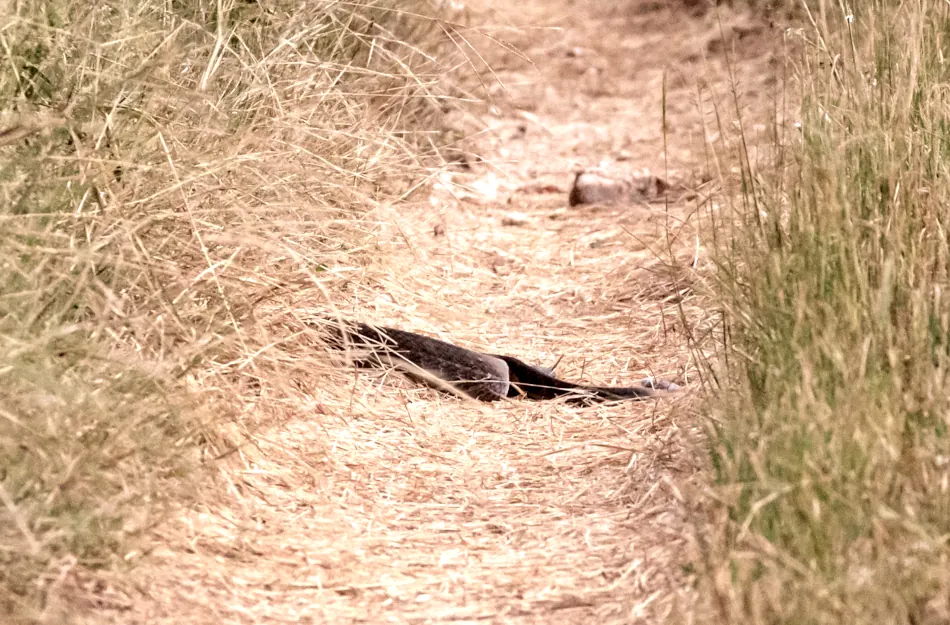
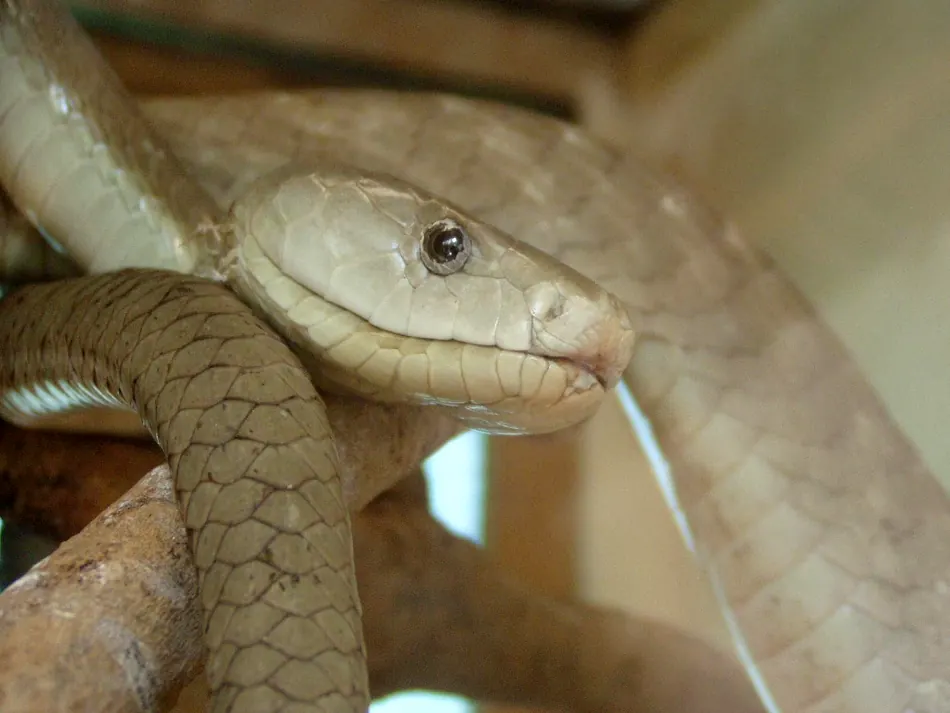
The Black Mamba
Black mambas will not attack humans unless they feel threatened. Generally shy, they prefer to avoid human contact and will usually try to escape if they perceive danger. However, if cornered or unable to find an escape route, they may become aggressive and strike in self-defense. Although highly venomous and potentially very dangerous when provoked, black mambas do not actively seek out humans to attack.
Photo taken by Dietmar Rabich.
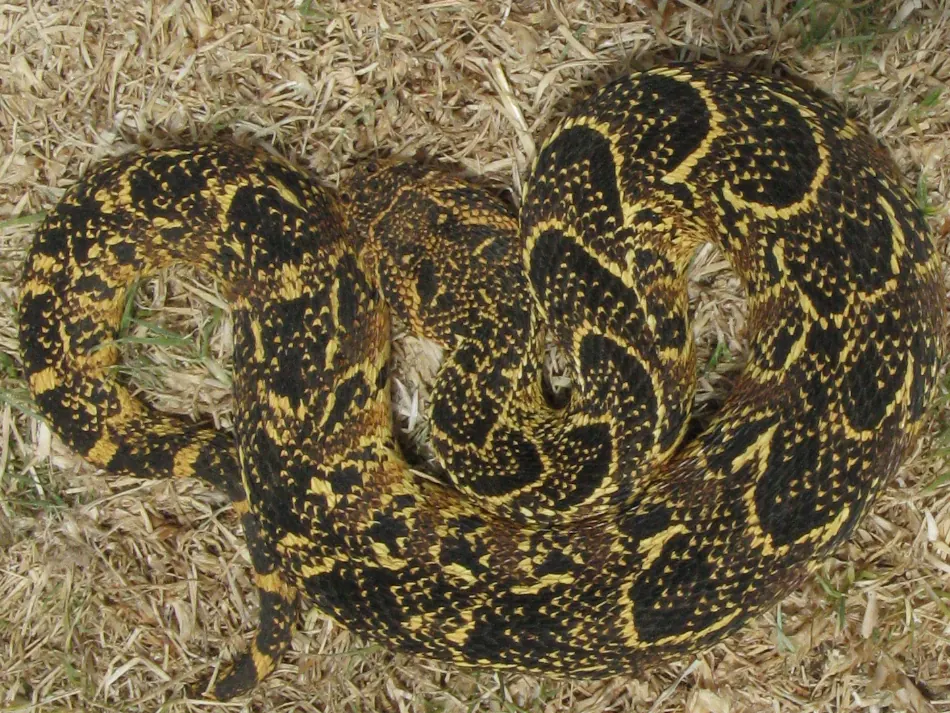
The Puff Adder
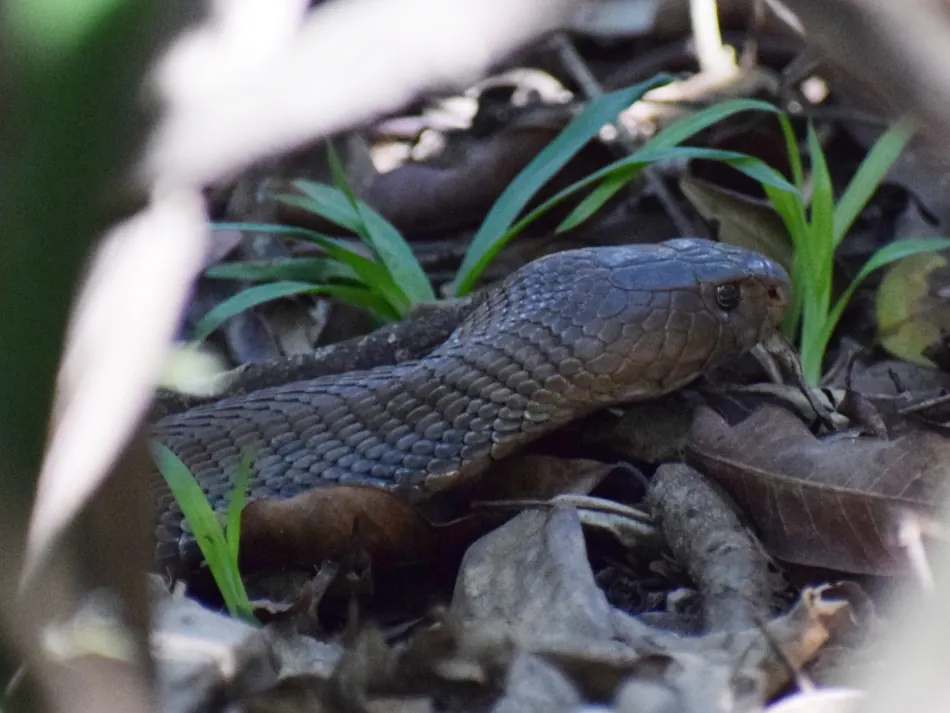
Puff adders are generally not aggressive and typically do not attack humans unless they feel threatened or provoked. They rely heavily on their camouflage to avoid detection and will usually remain still to avoid being noticed. However, they may strike in self-defence if they are accidentally stepped on or cornered. The puff adder’s primary defense is to stay hidden, but when this fails and they perceive a direct threat, they can deliver a very rapid and potentially dangerous bite. It’s important to exercise caution and respect their space if encountered in the wild.
Photo taken by Jon Richfield.
Spotting a Puff Adder involves recognizing several key characteristics:
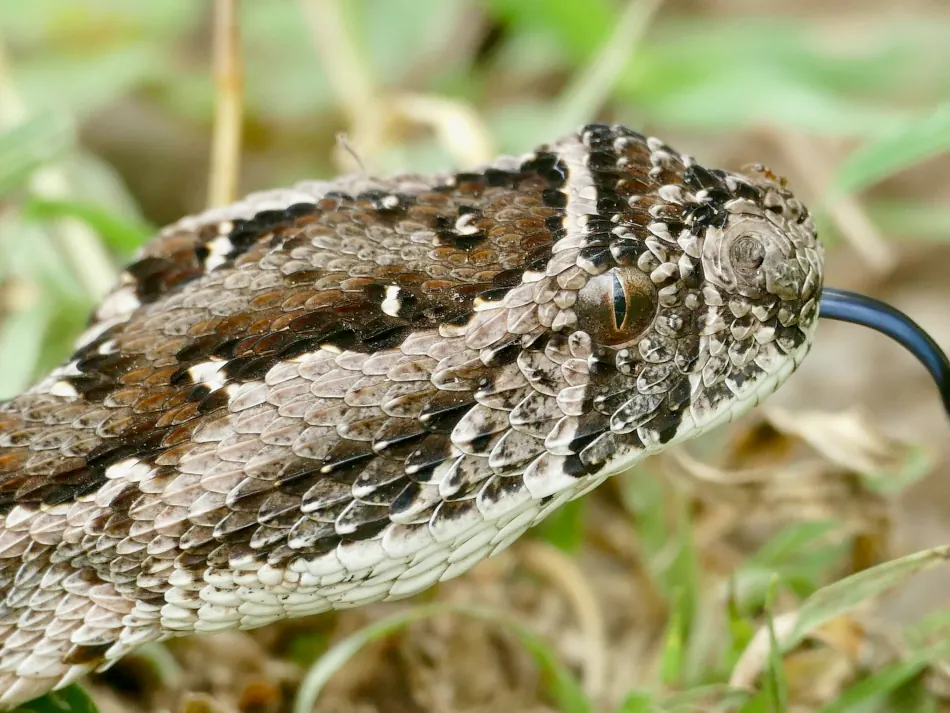
The Spitting Cobra
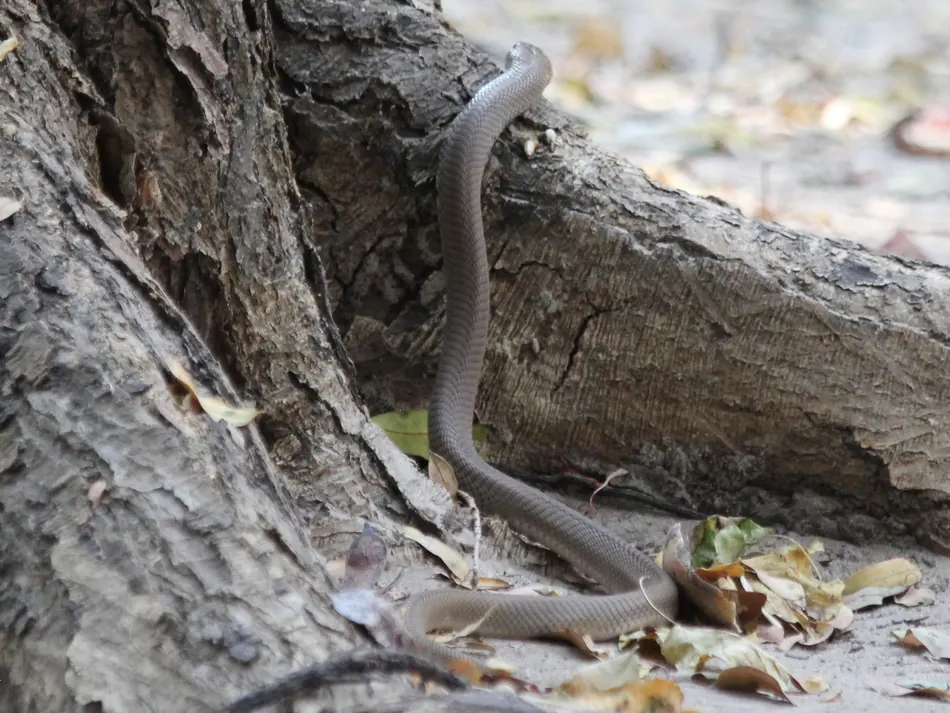
Spitting cobras generally avoid attacking humans unless they feel threatened or provoked. These snakes are typically shy and tend to shy away from confrontations. Their main defense strategy involves spitting venom to deter potential threats. However, if they feel trapped or perceive a direct danger, such as being touched or approached closely, they may resort to spitting venom in self-defense. Nevertheless, spitting cobras do not actively pursue humans to attack them. It’s crucial to respect their space and refrain from provoking them to reduce the likelihood of aggression.
Photo taken by Suncana.
Spotting a Spitting Cobra involves recognizing several key characteristics:
Emergency protocol: helicopter on stand by
The helicopter on standby in Limpopo provides critical support in emergencies by ensuring rapid response and transportation. It can quickly reach remote or inaccessible areas to evacuate injured or ill individuals, delivering them promptly to advanced medical facilities. The helicopter is equipped with medical equipment and staffed by trained professionals, offering immediate medical care during transport. This swift and efficient service significantly enhances the chances of survival and recovery in emergency situations, making it a vital resource for the region – Learn more.