Ready for Hunting Sable Antelope?
A Majestic & Territorial Animal
Today, the historical habitat of the Sable antelope has significantly diminished. Apart from the Kruger National Park in South Africa, this rare and previously endangered species can be found in protected areas where they have been reintroduced. Regions where they have not previously existed are carefully regulated to ensure sustainable management of populations. Along with their majestic appearance, their aggressive and territorial nature make them a popular trophy for the adventure seeker. But be aware that it takes a prepared expedition because they are difficult to hunt…
Weight: 240kg (m), 210kg (f)
Shoulder Height: 1.4 (m), 1.2 (f)
Breeding Season: Year-round
Minimum Calibre: .270
large and handsome TROPHY!
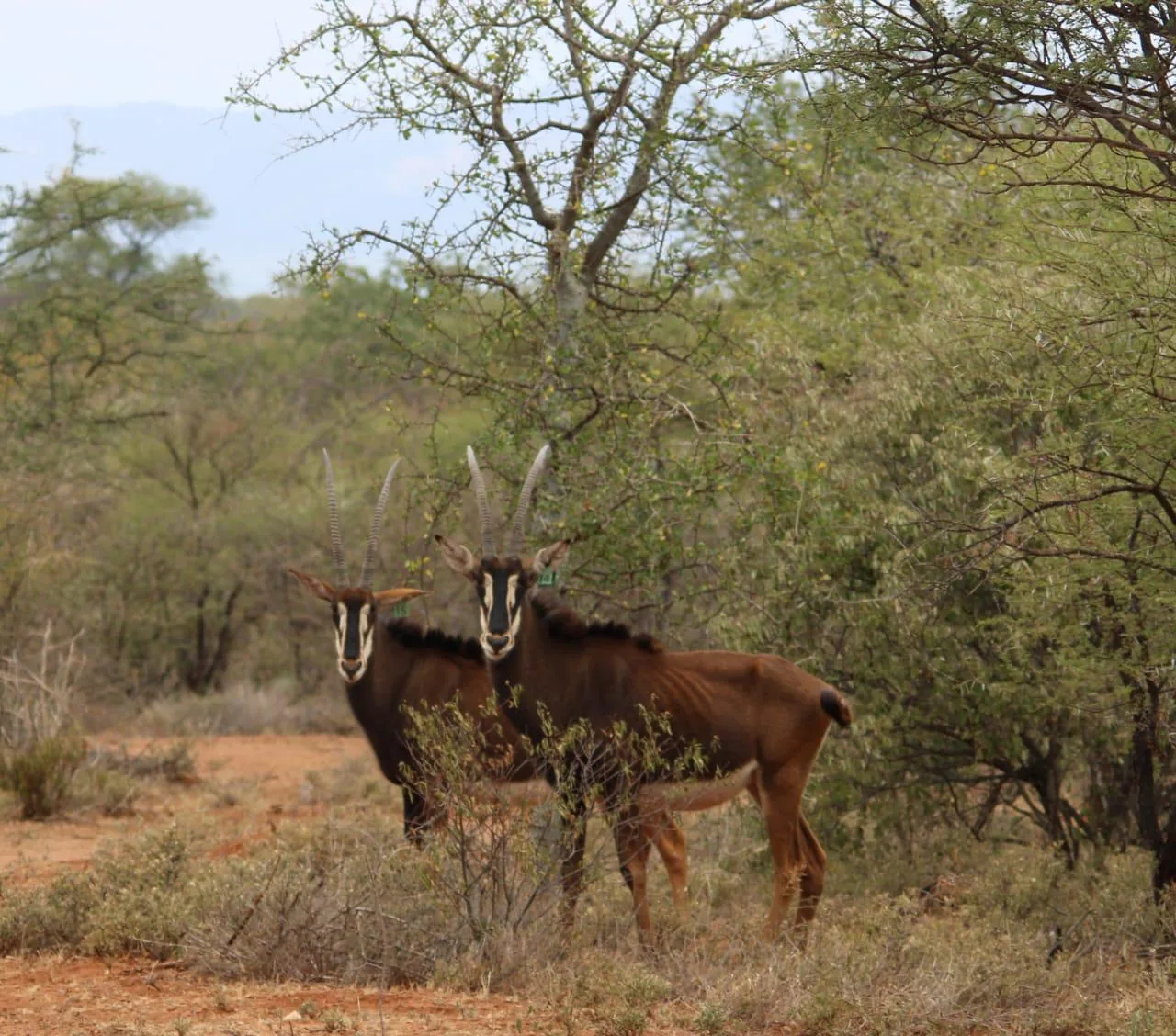
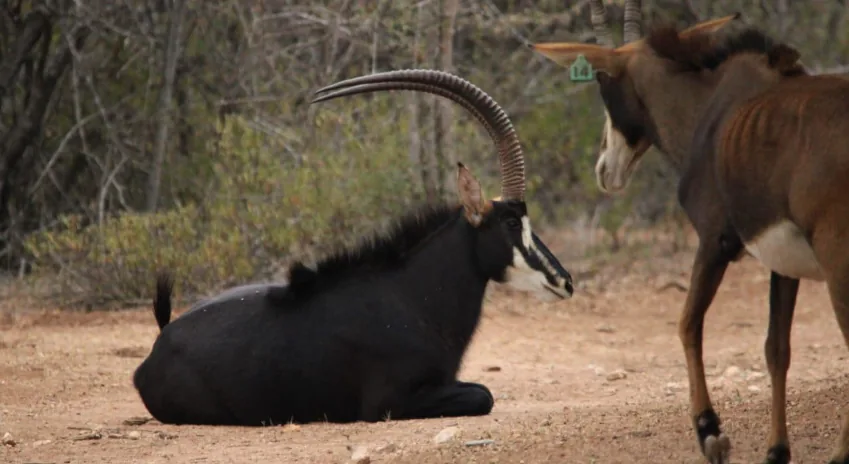
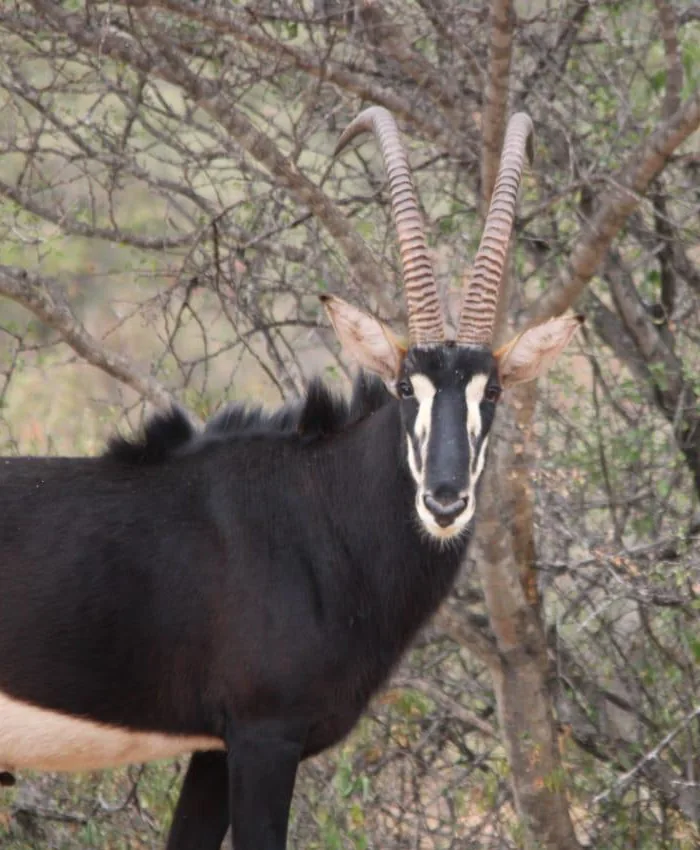
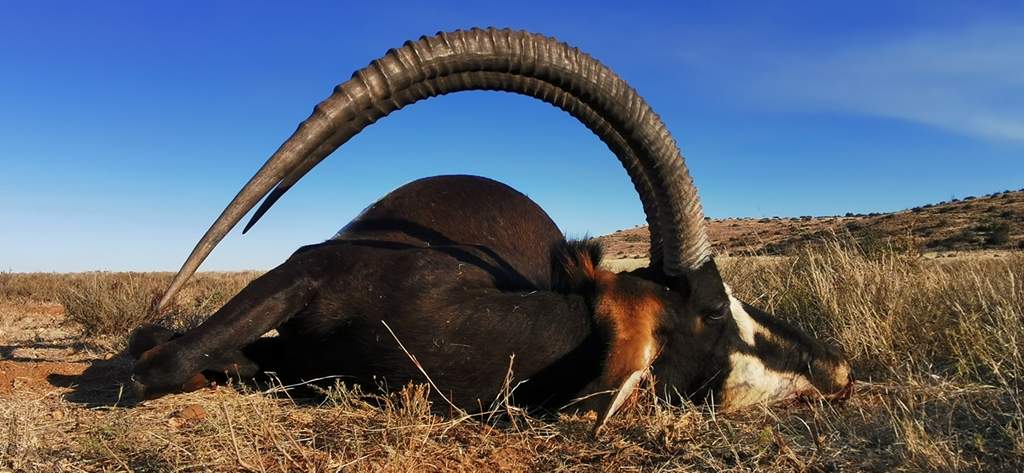
Sable antelopes are known for their striking appearance, with majestic, scimitar-shaped horns and a glossy black coat, making them visually impressive trophies for hunters. The size and shape of the horns can vary between individuals, with larger, more symmetrical horns considered more desirable.
Shiny black coats are contrasted with white underparts and facial markings. Females and juveniles sport a dark brown hue. Both genders feature stiff black manes along the dorsal areas of their necks.
Selective Harvesting: Ethical hunting practices at Tuma dictate selective harvesting of Sable antelopes, with a focus on mature males or specific individuals that meet certain criteria. Hunters may target dominant males for their impressive horns or to contribute to herd management objectives, such as maintaining genetic diversity. Your PH at Tuma will inform your approach when hunting Sable at Tuma.
Challenging but rewarding
Pointers to consider IN preparation TO HUNT SABLE
Key Herd & Habitat Dynamics
The prospective Sable Hunter should become familiar with Sable antelope’s habitat preferences and understand that their challenging behaviour is centred around a herd led by the dominant male. Furthermore, the dominant male is crucial for the herd’s survival and this single fact pinpoints the importance of ethical harvesting.
The dominant male establishes and maintains a hierarchical structure within the herd. He asserts his dominance through displays of aggression, such as vocalizations, posturing, and physical confrontations with subordinate males.
It takes an expedition to be successful!
Incorporating the knowledge of the social order and its impact on your hunting expedition requires strategic planning, stealth, practised discernment, patience, and respect for the animal and its environment.
CHARACTER
VIGILANCE & ALERTNESS
The dominant male and other members of the herd are vigilant and alert to potential threats, including hunters. They may issue alarm calls or exhibit behaviour that alerts other members of the herd to the presence of danger, making it challenging for hunters to approach undetected.
REMEMBER: Alarm calls and warning behaviour.DEFENSIVE BEHAVIOUR
The dominant male or other members of the herd might display defensive behavior, especially when they sense a threat to the herd or its territory.
REMEMBER: Be prepared for potential confrontations.COMMUNICATION
The dominant male communicates with the herd through vocalizations, including grunts, snorts, and bellows, to assert his authority and coordinate group movements. He also uses visual displays, such as horn displays and body postures, to assert dominance and maintain order within the herd.
REMEMBER: Dominant male and correctly spotting the main character.RESOURCE ACCESS
he dominant male has priority access to resources such as food, water, and resting areas within the herd’s territory. He may actively defend these resources from subordinate males or competing species to ensure the herd’s survival and well-being.
REMEMBER: Be aware of the possibility of encountering these ‘resources’ and the main bull’s defensive reactions.SOCIAL
TERRITORIAL BEHAVIOUR
The dominant male Sable antelope controls a territory that covers the primary area where the herd resides.
REMEMBER: Be aware of territorial boundaries and the likelihood of encountering the dominant male when stalking Sable within their territory.GROUP COORDINATION
Sable antelopes typically travel and graze together in a group, with the dominant male guiding and orchestrating their movements.
REMEMBER: Anticipate herd behaviour. Strategic positioning to intercept or stalk individual herd members.DENSE VEGETATION
Sable antelopes typically inhabit dense woodlands and savannas, making them well-adapted to navigating through thick vegetation.
REMEMBER: Patience, stealth, and skill in tracking through varied terrain.ALARM CALLS
Characterized by assertiveness, vigilance, and protective instincts the dominant male remains vigilant and alert, scanning the surroundings for potential dangers and issuing alarm calls to warn the herd of approaching threats.
REMEMBER: Improve discerning skills. Familiarise yourself with the sound of alarm calls.